Take a Driving Lesson for License Preparation
Step-by-Step Driving Lessons: Enroll in Our Expert-Led Driving Class Today!
Structured driving lessons provide a systematic approach to mastering vehicle operation. Enrolling in an expert-led class can greatly enhance a student's abilities and self-assurance. The program is meticulously planned to encompass introductory and sophisticated skills, suiting learners of all backgrounds. Being aware of what these lessons entail can make all the difference. There are a number of important elements that foster productive learning and exam preparation.
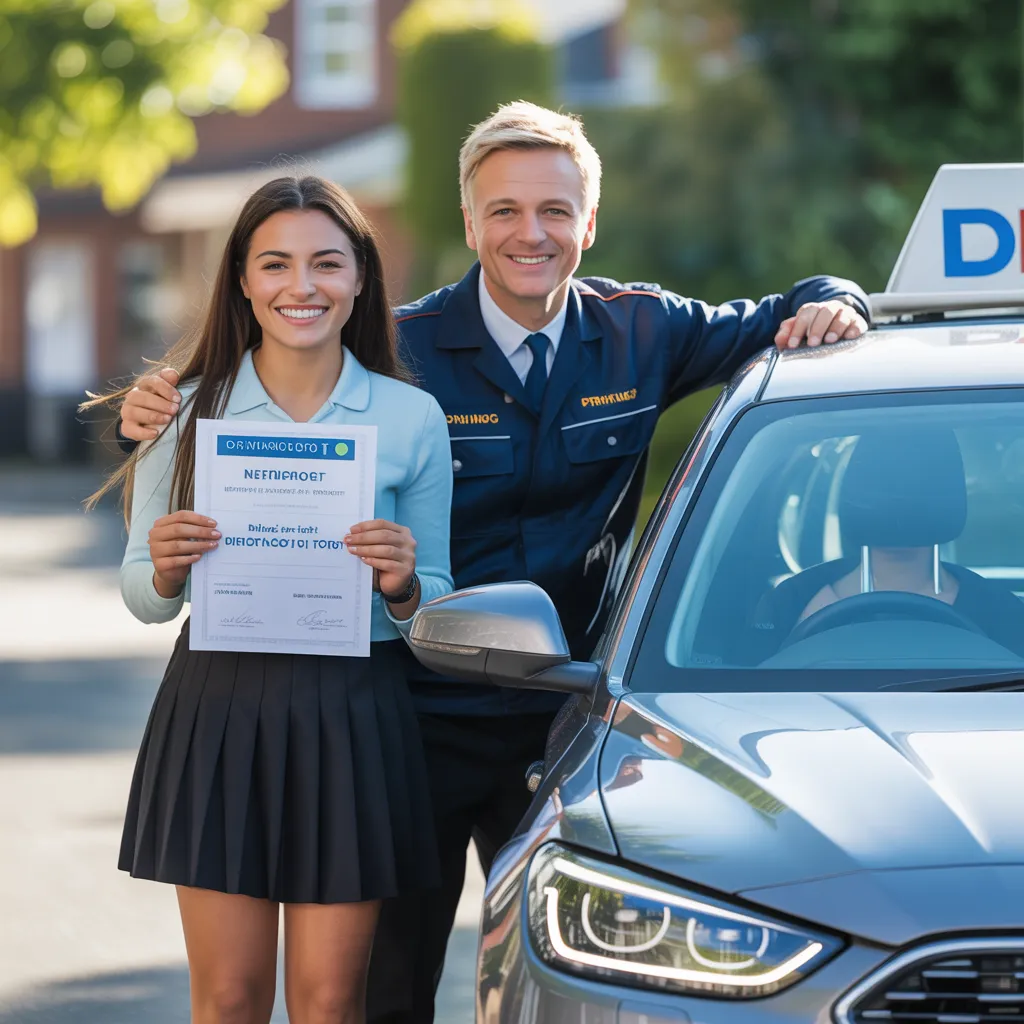
What You Can Expect During Your First Driving Class
Once a student begins their introductory driving course, they may notice a mix of excitement and anxiety. The classroom environment, often filled with fellow students, sets the stage for a meaningful experience. Teachers typically start with introductions, explaining the program framework and safety procedures. Students can expect to receive learning resources, including manuals and handouts, which will function as important guides throughout their training.
The main concentration is mainly on learning about car controls, fundamental road signs, and essential traffic rules. Instructors frequently stress the importance of maintaining a calm demeanor at the wheel. Learners are invited to raise questions, building an encouraging educational setting. Following the classroom instruction, most sessions incorporate real-world practice, where learners get acquainted with the vehicle in a controlled setting. This combination of theory and practice prepares students for the journey ahead, instilling confidence as they embark on the road to becoming competent and safety-conscious drivers.
Driving Program: Essentials to Advanced
A comprehensive driving course involves a transition from basic competencies to advanced techniques, so that drivers establish a robust grounding before approaching more complex road situations. Initially, new drivers concentrate on essential vehicle management, including wheel control, stopping techniques, and speed control. They learn critical traffic regulations, traffic signs, and responsible driving habits, offering a thorough knowledge of the road rules.
When students exhibit proficiency in these basics, the curriculum advances to more complex abilities. This covers navigating different road surfaces, dealing with difficult weather circumstances, and perfecting defensive driving strategies. Moreover, drivers gain experience with motorway navigation and challenging junctions, enhancing their ability to think swiftly when faced with difficult conditions.
Across the curriculum, educators highlight the importance of environmental awareness and accountable driving conduct. This structured approach prepares students not only to pass their driving tests but also to become confident and competent drivers in diverse environments.
Developing Confidence as a New Driver
New drivers often face challenges in building their confidence behind the wheel. Starting out as a driver can be quite intimidating, given the many tasks involved and the continuous requirement for attention. In order to ease nervousness, novice drivers may find value in a measured, step-by-step introduction to a range of driving conditions. Starting in low-traffic areas allows them to develop basic skills without the pressure of more complex environments.
Practicing regularly is vital; the more time spent driving, the more familiar and comfortable they become with their vehicle and surroundings. Moreover, participating in professionally guided driving lessons delivers structured instruction and knowledgeable support, nurturing a sense of reassurance. Positive reinforcement from instructors and supportive peers can also enhance a new driver's self-esteem. With practice and improvement, beginner drivers will notice their confidence building, converting driving from a difficult undertaking into a more pleasurable and empowering journey.
Getting Ready for Your Driving Test
How can a new driver best prepare for their driving test? Proper preparation plays a vital role in achieving success. First, familiarizing oneself with the vehicle is important. New drivers must ensure they are comfortable operating all vehicle controls, such as lights, wipers, and signals. Additionally, rehearsing techniques like parallel parking, three-point turns, and lane changes will improve their abilities.
Furthermore, examining the local driving laws and regulations can offer useful information into what the examiner will expect. Setting up a practice run with a skilled instructor can mirror the real driving test environment, thereby lowering test anxiety.
Finally, confirming all necessary documents are in order, such as the learner's license and ID, is critical. By following these steps, new drivers can tackle their driving test with assurance, increasing their likelihood of clearing the test on their first go.
Frequently Asked Questions About Driving Lessons
What should prospective drivers know before starting lessons? Numerous people share similar questions about the driving lesson process. Initially, prospective drivers frequently ask about the age requirements; the majority of regions require that students be a minimum of 16 years old to acquire a learner's permit. A common question also relates to the length of lessons; as a rule, each session is around one to two hours long, varying according to the student's skills and individual needs.
Future drivers often have questions about the pricing for lessons. Prices can vary widely based on the area and the instructor's expertise. Additionally, many question whether they must bring their own vehicle; most driving schools provide cars equipped with dual controls for safe instruction.
Finally, pupils frequently ask about the training Driving School program. Comprehensive classes usually cover fundamental driving techniques, traffic regulations, and safety practices, making sure students are fully equipped for both their driving test and real-world driving situations.
What Makes Professional Driving Lessons the Right Choice?
Why opt for professional driving lessons rather than casual instruction? This comes down to the quality and overall effectiveness of the training offered. Qualified instructors hold comprehensive knowledge of driving skills, road laws, and safety guidelines, making certain that learners are provided with a thorough and detailed education. They utilize a well-organized curriculum that develops abilities step by step, making it easier for students to grasp complex concepts.
Moreover, lessons led by experts regularly integrate real-world scenarios, equipping students to navigate diverse road situations with assurance. Instructors can give personalized feedback and corrections, which are essential for cultivating proper driving behaviors. Additionally, their background permits them to personalize sessions to individual learning styles, maximizing retention and skill acquisition.
Ultimately, expert instructors typically stay updated with current regulations and developments in driver training, making sure their lessons incorporate modern best practices. Such commitment makes instructor-led driving lessons the preferred choice for individuals aiming to develop strong driving abilities.

Questions Our Customers Often Ask
At What Age Can I Begin Taking Driving Lessons?
In most cases, aspiring drivers can initiate taking driving lessons at the age of 16, though certain areas permit students to start at 15. It's crucial to check local requirements regarding age restrictions for driving lessons.
Are Weekend Driving Lessons Available?
Driving lessons can often be scheduled on weekends, suiting a variety of scheduling needs. A large number of driving schools understand the popularity of weekend lessons, enabling learners to develop their driving skills without disrupting their weekday routines.
Is It Possible to Use My Own Vehicle for Driving Lessons?
Students may typically utilize their own vehicles for driving lessons, provided the vehicle meets safety requirements and is in good working condition. Teachers frequently support this practice to ensure confidence and ease during the learning process.
What Should I Do if I Miss a Class?
In the event that a student misses a class, they could be required to make up the lesson or set a new time. Attendance policies vary, so it's advisable for the student to check with the instructor regarding any potential penalties or options.
Are Lessons Available for Both Automatic and Manual Cars?
That's correct, the course offers lessons for both automatic and manual cars. Learners can choose their preferred transmission type, ensuring they are provided with individualized instruction that addresses their specific driving preferences and needs for training.